Introduction: A dazzling smile is often associated with confidence and vitality. Teeth whitening has become a popular cosmetic dental procedure, sought after by individuals looking to enhance their smile's brightness. With advancements in dental technology, there are now several methods available for achieving whiter teeth. 1. Professional In-Office Teeth Whitening: - Conducted by dentists or …
Introduction:
A dazzling smile is often associated with confidence and vitality. Teeth whitening has become a popular cosmetic dental procedure, sought after by individuals looking to enhance their smile’s brightness. With advancements in dental technology, there are now several methods available for achieving whiter teeth.
1. Professional In-Office Teeth Whitening:
– Conducted by dentists or dental professionals.
– Utilizes high-concentration bleaching agents like hydrogen peroxide or carbamide peroxide.
– Quick and effective results, often completed in a single session.
– Customized to individual needs, with the dentist monitoring the process.
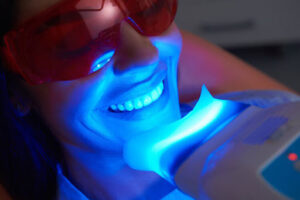
– May involve the use of special lights or lasers to activate the whitening agents for faster results.
– Generally, the most expensive option due to professional supervision and quality materials.
2. At-Home Teeth Whitening Kits:
– Over-the-counter kits containing whitening gel, strips, trays, or pens.
– Whitening gel typically contains lower concentrations of bleaching agents compared to in-office treatments.
– Users apply the gel to their teeth using the provided applicators or trays.
– Convenience and affordability are significant advantages.
– Results may vary depending on the product and adherence to instructions.
– Takes longer to achieve desired results compared to in-office treatments.
3. Whitening Toothpaste and Mouthwashes:
– Contains mild abrasives and chemical agents to remove surface stains.
– Regular use can help maintain whiteness after professional or at-home treatments.
– Suitable for individuals with mild discoloration or as part of a maintenance routine.
– Results are gradual and may not be as dramatic as with other whitening methods.
– Relatively inexpensive and readily available over-the-counter.
4. Natural Remedies:
– Some people opt for natural remedies like activated charcoal, baking soda, or hydrogen peroxide.
– These methods are often promoted as gentler alternatives to chemical-based whitening agents.
– Effectiveness varies, and results may not be as predictable or long-lasting.
– Caution is advised when using natural remedies to avoid damage to tooth enamel or irritation to gums.
– Consultation with a dentist is recommended before trying natural whitening methods.
5. Lifestyle Changes:
– Certain lifestyle factors contribute to tooth discoloration, such as smoking, consuming staining foods and drinks (e.g., coffee, tea, red wine), and inadequate oral hygiene.
– Making lifestyle changes like quitting smoking, reducing consumption of staining substances, and maintaining good oral hygiene can help prevent further discoloration and enhance the results of whitening treatments.
– While not a direct whitening method, lifestyle changes are essential for maintaining long-term dental health and brightness.
Conclusion:
Teeth whitening offers a cosmetic solution for individuals seeking a brighter, more radiant smile. From professional in-office treatments to at-home kits and natural remedies, there are various options available to suit different preferences and budgets. However, it’s essential to consult with a dentist before starting any whitening regimen to ensure safety and effectiveness.